
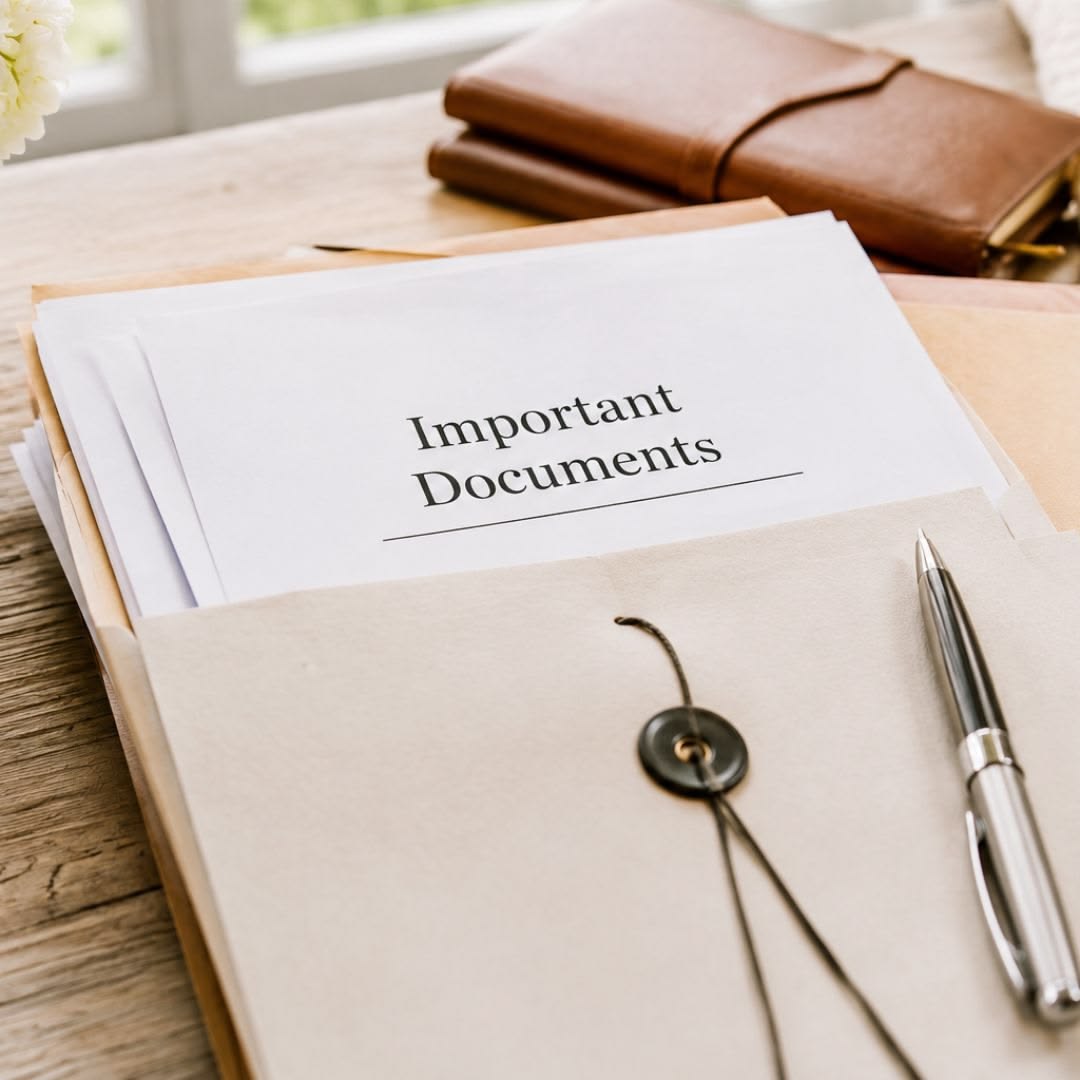
Searching for a job can be exciting, but it can also be stressful, especially when opportunities arise unexpectedly and you are not fully prepared. Many job seekers lose valuable opportunities because they do not have the necessary documents ready when employers request them. In today’s competitive job market, preparation is often the difference between getting shortlisted and being overlooked.
Employers want candidates who are organized, professional, and ready to move quickly through the recruitment process. Whether you are applying for graduate trainee programs, government jobs, private sector positions, internships, remote jobs, or international opportunities, having your documents prepared in advance can significantly improve your chances of success.
Imagine finding your dream job today, only to discover that you cannot submit your application because your CV is outdated, your certificates are missing, or you do not have a valid means of identification. Such situations are more common than many people realize.
A well-prepared job seeker keeps all important documents organized and easily accessible. This not only saves time but also demonstrates professionalism to potential employers.
In this comprehensive guide, we will discuss the most important documents every job seeker should have ready, why they matter, and how to organize them effectively for successful job applications.
Why Having Job Application Documents Ready Is Important
Before discussing specific documents, it is important to understand why preparation matters.
Having your documents ready helps you:
✍️Apply for jobs quickly
✍️Meet application deadlines
✍️Present yourself professionally
✍️Reduce stress during recruitment
✍️Improve your chances of getting shortlisted
✍️Respond promptly to employer requests
Many employers receive hundreds or even thousands of applications. Delays caused by missing documents can result in missed opportunities.
1. A Professional Curriculum Vitae (CV)
Your CV is arguably the most important document in your job search journey.
A CV provides employers with an overview of your:
a. Educational background
b. Work experience
c. Skills
d. Certifications
e. Achievements
It is often the first document recruiters review before deciding whether to invite you for an interview.
-Why Your CV Matters
A strong CV helps employers determine whether you are suitable for a position.
An effective CV should:
📍Be well-organized
📍Be free of errors
📍Highlight relevant skills
📍Include accurate information
📍Be tailored to the job
An outdated or poorly written CV can reduce your chances of being considered.
-Multiple Versions of Your CV
Many job seekers make the mistake of using the same CV for every application.
Instead, consider preparing different versions for:
👉Administrative jobs
👉Marketing roles
👉Technology positions
👉Customer service jobs
👉Government opportunities
Customizing your CV improves relevance and effectiveness.
2. A Well-Written Cover Letter
Although not every employer requires a cover letter, many organizations still consider it an important part of the application process.
A cover letter allows you to:
a. Introduce yourself
b. Explain your interest in the role
c. Highlight relevant qualifications
d. Demonstrate communication skills
A strong cover letter can strengthen your application significantly.
3. Academic Certificates
Educational qualifications remain important for many employers.
You should keep copies of:
a. WAEC certificate
b. NECO certificate
c. NABTEB certificate
d. Diploma certificates
e. Degree certificates
f. Postgraduate certificates
Ensure that both physical and digital copies are available.
4. Statement of Result
Many recent graduates may not yet have their final certificates.
In such cases, a statement of result can serve as proof of academic achievement.
Employers often accept statements of result during recruitment processes.
5. NYSC Documents
For Nigerian graduates, NYSC documents are often essential.
Important documents include:
a. NYSC discharge certificate
b. Exemption certificate
c. Exclusion certificate
Many employers require proof of NYSC completion before employment.
6. Valid Means of Identification
Most employers require candidates to verify their identity.
Common forms of identification include:
a. National Identification Number (NIN) slip
b. National ID card
c. International passport
d. Driver’s license
e. Permanent Voter’s Card (PVC)
Having multiple valid identification documents can be helpful.
7. Birth Certificate or Age Declaration
Some employers request evidence of age.
You should have either:
a. Birth certificate
b. Age declaration affidavit
This is especially important for government jobs and graduate trainee programs with age requirements.
8. Passport Photographs
Although many applications are completed online, passport photographs are still frequently required.
Keep both:
a. Digital passport photos
b. Printed passport photos
Available when needed.
9. Professional References
Many employers request references before making employment decisions.
A reference may include:
a. Former employer
b. Lecturer
c. Supervisor
d. Mentor
e. Professional colleague
Choose individuals who can positively speak about your character and abilities.
10. Recommendation Letters
Recommendation letters provide additional credibility.
These letters may come from:
a. Academic institutions
b. Employers
c. Supervisors
d. Community leaders
Strong recommendations can improve your application.
11. Professional Certifications
Professional certifications demonstrate specialized knowledge and commitment to self-development.
Examples include:
a. Google certifications
b. Microsoft certifications
c. Cisco certifications
d. Project Management certifications
e. Digital marketing certifications
These certifications often strengthen your profile.
12. Portfolio of Work
Certain professions require evidence of previous work.
Examples include:
a. Graphic Designers
Portfolio may include: Logos, Flyers, Social media designs
b. Video Editors
Portfolio may include: YouTube projects, Commercial videos, Promotional content
c. Writers
Portfolio may include: Published articles, Blog posts, Content samples
d. Web Developers
Portfolio may include: Websites, Applications, Design projects
A strong portfolio can significantly improve employment opportunities.
13. LinkedIn Profile
Although not a traditional document, a LinkedIn profile has become an essential professional asset.
A complete LinkedIn profile helps employers:
a. Verify experience
b. Review skills
c. Assess professional presence
Many recruiters actively search for candidates on LinkedIn.
14. Skills Certificates
Skills training certificates provide evidence of competence.
Examples include:
a. Data analysis training
b. Graphic design training
c. Coding bootcamps
d. Customer service training
e. SEO courses
Employers often value practical skills.
15. Transcripts
Academic transcripts provide detailed records of academic performance.
Some employers request transcripts during:
a. Graduate trainee applications
b. Scholarship applications
c. International opportunities
Keep official copies available.
16. Medical Fitness Certificate
Certain employers may request medical clearance.
This is common in:
a. Government jobs
b. Security agencies
c. Healthcare positions
Having access to recent medical documentation may be beneficial.
17. Proof of Address
Some organizations require proof of residence.
Examples include:
a. Utility bills
b. Bank statements
c. Tenancy agreements
Proof of address may be required during onboarding.
18. Bank Verification Number (BVN)
Many employers request BVN information for payroll purposes.
Ensure your BVN details are accurate and accessible.
19. Tax Identification Documents
Some organizations may require tax-related documentation during employment.
Having these records available can simplify onboarding processes.
20. Employment Records
If you have previous work experience, keep copies of:
a. Appointment letters
b. Promotion letters
c. Employment contracts
d. Resignation letters
These documents may be useful when verifying employment history.
21. Internship Documentation
Internships provide valuable work experience.
Keep records of:
a. Internship certificates
b. Completion letters
c. Evaluation reports
Such documents strengthen your professional profile.
22. Volunteer Experience Documentation
Volunteer activities can enhance employability.
Keep evidence of:
a. Volunteer certificates
b. Participation letters
c. Community service records
These documents demonstrate initiative and leadership.
23. Awards and Achievement Certificates
Awards help distinguish you from other candidates.
Examples include:
a. Academic awards
b. Leadership awards
c. Competition certificates
d. Recognition certificates
These achievements strengthen your application.
24. Digital Copies of All Documents
Modern recruitment increasingly relies on digital submissions.
Create electronic copies of all important documents.
Recommended formats include:
a. PDF
b. JPEG
c. PNG
Store them securely.
Organizing Your Job Search Documents
Having documents is important, but organization is equally critical.
✍️Create a Dedicated Folder
Maintain a folder specifically for job applications.
Include: CVs, Certificates, Identification documents, Reference letters
This improves accessibility.
✍️Use Cloud Storage
Cloud platforms help protect your documents.
Popular options include: Google Drive, Dropbox, OneDrive
Cloud storage allows access from any device.
✍️Label Files Properly
Avoid generic file names.
Instead of: Document1.pdf
Use: David_Phillips_CV.pdf
Proper labeling creates a professional impression.
✍️Update Documents Regularly
Your professional profile evolves over time.
Regularly update: CV, Portfolio, LinkedIn profile, Certifications
This ensures accuracy.
Common Mistakes Job Seekers Make
Many applicants reduce their chances by making avoidable mistakes.
❌Using Outdated CVs
Old information may not reflect current qualifications.
❌Submitting Poor Quality Scans
Blurry or unreadable documents create a negative impression.
❌Providing Inconsistent Information
Information should match across all documents.
❌Losing Important Certificates
Always maintain backup copies.
❌Waiting Until Opportunities Appear
Preparation should happen before vacancies are announced.
How Prepared Documents Improve Job Search Success
Well-prepared candidates enjoy several advantages.
They can:
a. Apply faster
b. Meet deadlines
c. Respond to recruiters quickly
d. Present a professional image
e. Reduce stress
Preparedness often leads to better outcomes.
Frequently Asked Questions
🕹What is the most important document for job applications?
Your CV is usually the most important document because it provides an overview of your qualifications, experience, and skills.
🕹Should I keep digital copies of my documents?
Yes. Digital copies make it easier to apply for jobs online and respond quickly to employer requests.
🕹Do I need a cover letter for every application?
Not always, but having a well-written cover letter template ready is advisable.
🕹Why are NYSC documents important?
Many Nigerian employers require proof of NYSC completion before employment.
🕹How should I store my job application documents?
Store both physical and digital copies in organized folders and cloud storage platforms.
Conclusion
Job searching is much easier when you are fully prepared. Having important documents ready before opportunities arise allows you to respond quickly, meet deadlines, and present yourself professionally to employers. From your CV and cover letter to academic certificates, NYSC documents, identification cards, references, and professional certifications, every document plays a role in strengthening your application.
Successful job seekers understand that preparation is not something to postpone until a vacancy appears. Instead, they continuously update, organize, and secure their documents so they are always ready for new opportunities.
By keeping these essential documents accessible and up to date, you position yourself as a serious, organized, and competitive candidate in today’s job market. The effort you invest in preparation today could be the reason you secure your next career opportunity tomorrow.
Related posts:
BIC Nigeria Recruitment 2026: Area Sales Representatives and Supervisors Wanted Across Multiple Stat…
Ardova Plc is Hiring in Lagos, Nigeria

Multiple Job Vacancies in Nigeria 2026: Available Positions and Application Details

Misan & Co Recruitment 2026: 5 Job Vacancies and Internships

Election Security Monitor Jobs at KDI in 6 Nigerian States – 2027 Election
Nigeria Family Strengthening and Development Programme (NFSP): Eligibility, Registration and Monthly…

Dokitami Video Editor and Content Creator Jobs 2026
Latest Job Vacancies – Multiple Positions Available

Flour Mills of Nigeria Plc Recruitment 2026 – Multiple Vacancies

ECOWAS Recruitment 2026 – Multiple Positions in Nigeria

Skill Workers Needed – Factory Work


Leave a Reply