
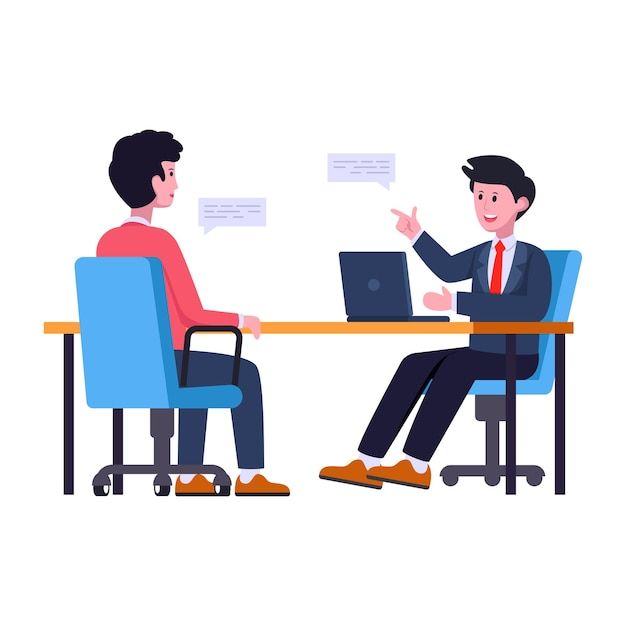
Job interviews are among the most important stages of the recruitment process. Regardless of your qualifications, experience, or skills, your ability to perform well during an interview can determine whether you receive a job offer or not.
Many job seekers spend weeks searching for vacancies, preparing CVs, and submitting applications, only to lose opportunities because they were not adequately prepared for the interview stage. Employers use interviews to assess not only your qualifications but also your communication skills, confidence, personality, problem-solving abilities, and overall suitability for the role.
The good news is that most interview questions follow predictable patterns. Once you understand what employers are really looking for and learn how to structure your answers effectively, you can significantly improve your chances of success.
This comprehensive guide covers some of the most common interview questions employers ask, explains why they ask them, and provides examples of strong answers that can help you stand out from other candidates.
Why Interview Preparation Matters
Many candidates assume that interviews are simply conversations about their experience. However, interviews are structured evaluations designed to help employers determine whether a candidate is the right fit for a position.
Proper interview preparation helps you:
✅️Build confidence
✅️Reduce anxiety
✅️Improve communication
✅️Present your strengths effectively
✅️Avoid common mistakes
✅️Demonstrate professionalism
Candidates who prepare thoroughly often perform better than those who rely solely on their qualifications.
Understanding What Employers Are Looking For
During an interview, employers generally evaluate:
🕹Technical Skills
Can you perform the duties required for the role?
🕹Communication Skills
Can you express yourself clearly and professionally?
🕹Problem-Solving Ability
How do you handle challenges and workplace situations?
🕹Teamwork
Can you work effectively with others?
🕹Professionalism
Do you demonstrate maturity, responsibility, and reliability?
🕹Cultural Fit
Will you fit into the organization’s work environment?
Keeping these objectives in mind can help you provide stronger responses.
Question 1: Tell Me About Yourself
This is often the first question asked in an interview.
Many candidates make the mistake of discussing personal details unrelated to the job.
The employer is not looking for your life story.
Instead, they want a professional summary of your background.
📥Sample Answer
“Thank you for the opportunity. I am a Mathematics graduate with experience in digital marketing, content creation, WordPress website management, and social media management. Over the past few years, I have developed skills in website development, SEO, and online marketing while working on various projects. I enjoy learning new technologies, solving problems, and helping businesses improve their online presence. I am excited about this opportunity because it aligns with my skills and career goals.”
Question 2: Why Do You Want to Work Here?
Employers ask this question to determine whether you have researched the company and are genuinely interested in the role.
Best Approach
Discuss:
👉The company’s reputation
👉Its mission or products
👉Career growth opportunities
👉Alignment with your skills
📥Sample Answer
“I am interested in working here because of your company’s strong reputation and commitment to excellence. I admire the work your organization does and believe my skills and experience can contribute positively to your team. I am also excited about the opportunity to learn, grow professionally, and build a long-term career within the organization.”
Question 3: What Are Your Greatest Strengths?
This question helps employers understand your key abilities.
Choose strengths relevant to the role.
Examples include:
👉Communication
👉Problem-solving
👉Leadership
👉Adaptability
👉Teamwork
📥Sample Answer
“One of my greatest strengths is my ability to learn quickly and adapt to new situations. I am also highly organized and pay close attention to detail. In previous projects, these qualities helped me complete tasks efficiently and achieve positive results.”
Question 4: What Is Your Greatest Weakness?
This question often makes candidates nervous.
Avoid claiming you have no weaknesses.
Instead:
👉Mention a genuine weakness
👉Explain how you are improving it
📥Sample Answer
“Earlier in my career, I sometimes found it difficult to delegate tasks because I wanted everything done perfectly. However, I have learned the importance of teamwork and now focus on trusting colleagues while maintaining accountability.”
Question 5: Why Should We Hire You?
This question allows you to sell yourself.
Highlight:
👉Relevant skills
👉Experience
👉Value you bring
📥Sample Answer
“I believe I am a strong fit for this position because I possess the skills, dedication, and willingness to learn required for the role. My experience in digital marketing, content creation, and website management has helped me develop problem-solving abilities and adaptability. I am confident I can contribute positively to your team.”
Question 6: Where Do You See Yourself in Five Years?
Employers want to know whether you have career goals and whether you are likely to stay with the company.
📥Sample Answer
“In five years, I hope to have developed advanced expertise in my field, taken on greater responsibilities, and contributed significantly to organizational growth. I also hope to continue learning and advancing professionally.”
Question 7: Why Did You Leave Your Previous Job?
Be professional and avoid criticizing former employers.
👉Acceptable Reasons
👉Career growth
👉Relocation
👉Seeking new challenges
👉Company restructuring
📥Sample Answer
“I appreciated the experience I gained in my previous role. However, I felt it was time to pursue opportunities that would allow me to expand my skills, take on greater responsibilities, and continue growing professionally.”
Question 8: Tell Me About a Challenge You Faced and How You Handled It
This question evaluates problem-solving skills.
Use the STAR method:
👉Situation
👉Task
👉Action
👉Result
📥Sample Answer
“During a project, we experienced a tight deadline due to unexpected changes in requirements. I worked closely with the team to prioritize tasks, improve communication, and develop an efficient workflow. As a result, we completed the project on time and met client expectations.”
Question 9: Can You Work Under Pressure?
Most workplaces involve deadlines and challenges.
📥Sample Answer
“Yes. I believe pressure is a normal part of professional environments. I manage pressure by staying organized, prioritizing tasks, and maintaining focus on solutions rather than problems.”
Question 10: What Do You Know About Our Company?
Research is critical.
Before interviews, learn about:
👉Company history
👉Products and services
👉Mission
👉Recent achievements
📥Sample Answer
“I understand that your company is a leading organization in the industry known for innovation and customer satisfaction. I have researched your services and was particularly impressed by your commitment to quality and growth.”
Question 11: How Do You Handle Conflict at Work?
Employers want mature professionals.
📥Sample Answer
“I believe conflicts should be handled respectfully and professionally. I focus on understanding different perspectives, communicating openly, and finding solutions that benefit everyone involved.”
Question 12: What Motivates You?
Choose professional motivations.
Examples:
👉Learning
👉Achieving goals
👉Solving problems
👉Helping customers
👉Career growth
📥Sample Answer
“I am motivated by opportunities to learn, improve my skills, and contribute meaningfully to organizational success. I enjoy challenges that allow me to grow professionally.”
Question 13: Describe Your Leadership Style
Even if you are not applying for a management position, leadership matters.
📥Sample Answer
“I believe effective leadership involves communication, accountability, and supporting team members. I focus on leading by example, encouraging collaboration, and helping others succeed.”
Question 14: How Do You Prioritize Tasks?
Time management is valuable in every role.
📥Sample Answer
“I prioritize tasks based on urgency, importance, and deadlines. I often create task lists and schedules to ensure that critical responsibilities are completed efficiently.”
Question 15: Tell Me About a Time You Failed
Employers want self-awareness and resilience.
📥Sample Answer
“Earlier in my career, I underestimated the time required for a project, which affected my schedule. I learned the importance of realistic planning and now allocate additional time for unexpected challenges.”
Question 16: What Salary Do You Expect?
Research market rates before interviews.
📥Sample Answer
“Based on my skills, experience, and industry standards, I am seeking a competitive salary within the market range. However, I am open to discussing the overall compensation package.”
Question 17: Are You a Team Player?
Most employers value teamwork.
📥Sample Answer
“Yes. I enjoy working with others and believe collaboration often produces better results. I value communication, mutual respect, and supporting colleagues to achieve shared goals.”
Question 18: What Makes You Different From Other Candidates?
Focus on unique strengths.
📥Sample Answer
“I combine technical skills with strong communication abilities and a willingness to learn. I am adaptable, proactive, and committed to delivering high-quality results.”
Question 19: What Are Your Career Goals?
Show ambition without sounding unrealistic.
📥Sample Answer
“My goal is to continuously improve my skills, gain valuable experience, and contribute significantly to organizational success while advancing professionally.”
Question 20: Do You Have Any Questions for Us?
Always ask questions.
This demonstrates interest.
Examples include:
👉What does success look like in this role?
👉What are the biggest challenges facing the team?
👉What opportunities exist for professional development?
👉Avoid asking only about salary and benefits.
Interview Tips That Increase Your Chances of Success
📍Research the Company
Understand the organization’s operations and values.
📍Practice Your Answers
Mock interviews can improve confidence.
📍Dress Professionally
First impressions matter.
📍Arrive Early
Punctuality demonstrates professionalism.
📍Maintain Positive Body Language
Make eye contact and smile naturally.
📍Listen Carefully
Answer the actual question being asked.
📍Be Honest
Avoid exaggerating skills or achievements.
Common Interview Mistakes to Avoid
Many qualified candidates lose opportunities because of simple mistakes.
Avoid:
❌️Arriving late
❌️Speaking negatively about former employers
❌️Interrupting interviewers
❌️Giving vague answers
❌️Failing to research the company
❌️Appearing unprepared
❌️Showing poor attitude
Professionalism matters throughout the process.
How to Handle Virtual Interviews
Online interviews have become increasingly common.
For virtual interviews:
✅️Test your internet connection
✅️Choose a quiet environment
✅️Dress professionally
✅️Check your camera and microphone
✅️Eliminate distractions
Virtual interviews require the same level of preparation as in-person interviews.
Frequently Asked Questions
🕹How long should interview answers be?
Most answers should be between one and two minutes unless additional detail is requested.
🕹Is it okay to admit I do not know something?
Yes. Be honest and explain your willingness to learn.
🕹How can I reduce interview anxiety?
Practice, preparation, and mock interviews can significantly improve confidence.
🕹Should I memorize answers?
No. Understand key points rather than memorizing word-for-word responses.
🕹Is it important to ask questions at the end?
Yes. Asking thoughtful questions demonstrates interest and professionalism.
Conclusion
Job interviews are not designed to trick candidates. They are opportunities for employers to understand who you are, what you can contribute, and whether you are the right fit for a role. While interviews can feel intimidating, proper preparation can dramatically improve your performance and confidence.
Understanding common interview questions, preparing thoughtful responses, researching employers, and practicing effective communication skills can help you stand out from the competition. Remember that successful interviews are not about giving perfect answers but about demonstrating competence, professionalism, enthusiasm, and a willingness to learn.
Every interview, whether successful or not, provides valuable experience. The more you prepare and practice, the more confident and effective you will become. With the right approach, you can transform interviews from stressful experiences into opportunities that move you closer to achieving your career goals.
Related posts:
BIC Nigeria Recruitment 2026: Area Sales Representatives and Supervisors Wanted Across Multiple Stat…
Ardova Plc is Hiring in Lagos, Nigeria
Misan & Co Recruitment 2026: 5 Job Vacancies and Internships

Election Security Monitor Jobs at KDI in 6 Nigerian States – 2027 Election

Dokitami Video Editor and Content Creator Jobs 2026

Flour Mills of Nigeria Plc Recruitment 2026 – Multiple Vacancies

ECOWAS Recruitment 2026 – Multiple Positions in Nigeria
Customer Service Officer – TravelDeer Nigeria

Avonix Place Jobs with Accommodation in Lagos
Sales Representative – MSI Reproductive Choices

Front Desk & Customer Care Executive – Eris Creative Studio

Leave a Reply