
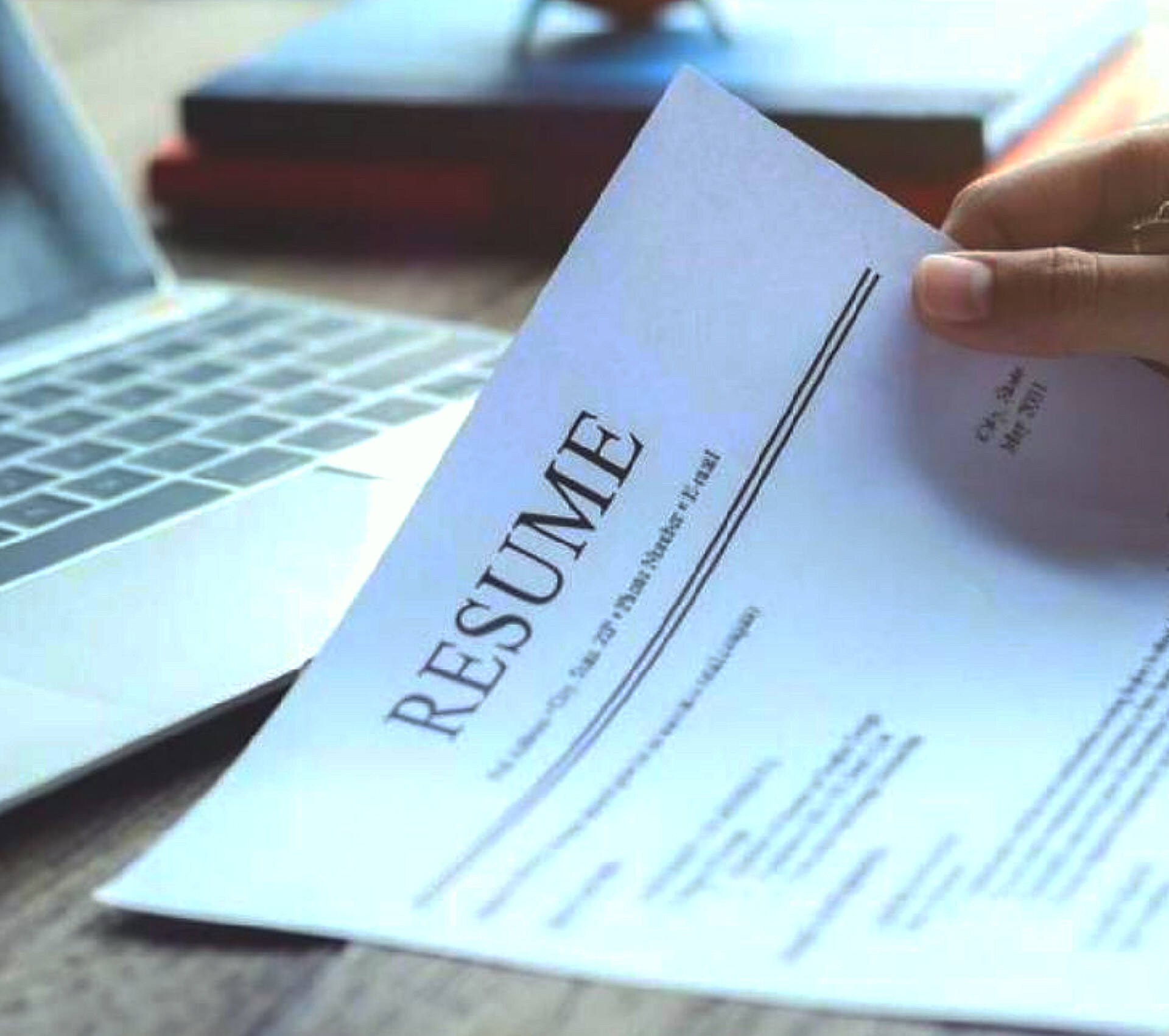
A resume is often the first impression you make on a potential employer. Before you get invited for an interview, your resume must convince recruiters that you possess the skills, experience, and qualifications needed for the role. Unfortunately, many job seekers focus only on what they write in their resumes while ignoring an equally important factor—the resume format.
The format of your resume plays a significant role in determining whether recruiters read your application or move on to the next candidate. A well-structured resume makes it easier for hiring managers to find relevant information quickly, while a poorly organized resume can reduce your chances of getting shortlisted.
One common mistake job seekers make is using the same resume format for every industry. Different industries have different expectations. For example, a software developer’s resume may look very different from a teacher’s resume, and a graphic designer’s resume may not follow the same structure as an accountant’s resume.
Understanding the best resume formats for different industries can help you present your qualifications more effectively and improve your chances of securing interviews.
This guide explains the major resume formats, when to use them, and the best resume structure for various industries and career levels.
Why Resume Format Matters
Recruiters often spend only a few seconds reviewing a resume before deciding whether to continue reading.
A good resume format helps:
✅️Improve readability
✅️Highlight important qualifications
✅️Showcase relevant experience
✅️Create a professional impression
✅️Increase interview opportunities
✅️Pass Applicant Tracking Systems (ATS)
A poorly formatted resume can hide valuable information and reduce your chances of success.
Understanding the Three Main Resume Formats
Before choosing a format, it is important to understand the three primary resume structures used globally.
1. Chronological Resume Format
The chronological resume is the most widely used format.
It focuses on work experience and presents employment history in reverse chronological order.
This means your most recent job appears first.
Structure
–A chronological resume typically includes:
✍️Contact information
✍️Professional summary
✍️Work experience
✍️Education
✍️Skills
✍️Certifications
This format is best for:
📍Experienced professionals
📍Individuals with consistent employment history
📍Candidates applying within the same industry
–Advantages
a. Easy for recruiters to read
b. Highlights career progression
c. Preferred by many employers
–Disadvantages
a. Employment gaps become visible
b. Frequent job changes are noticeable
2. Functional Resume Format
A functional resume emphasizes skills rather than work history.
Instead of focusing heavily on employment dates, it highlights competencies and achievements.
Structure
–Common sections include:
✍️Contact information
✍️Professional summary
✍️Key skills
✍️Achievements
✍️Education
✍️Work history
This format is suitable for:
📍Career changers
📍Fresh graduates
📍Individuals with employment gaps
📍Freelancers
–Advantages
a. Emphasizes abilities
b. Reduces focus on gaps
c. Highlights transferable skills
–Disadvantages
a. Some recruiters dislike it
b. May appear less transparent
3. Combination Resume Format
The combination format blends chronological and functional approaches.
It highlights both skills and work experience.
Structure
–Typically includes:
✍️Contact details
✍️Professional summary
✍️Skills section
✍️Work experience
✍️Education
✍️Certifications
This Format is best for:
📍Mid-career professionals
📍Specialists
📍Technical professionals
–Advantages
a. Balanced presentation
b. Highlights strengths and experience
c. Suitable for many industries
–Disadvantages
a. Can become lengthy
b. Requires careful organization
Choosing the Right Resume Format
The best format depends on several factors.
Consider:
📥Industry expectations
📥Work experience
📥Career goals
📥Employment history
📥Professional background
Selecting the right structure increases your chances of making a strong impression.
Best Resume Format for Corporate and Administrative Jobs
Corporate employers generally prefer professional and straightforward resumes.
–Examples include:
👉Administrative officers
👉Human resources professionals
👉Office managers
👉Business analysts
–Recommended Format
✅️Chronological Resume Format
–Why It Works
Employers in these industries value career progression and professional experience.
A chronological format clearly demonstrates growth and responsibility.
–Important Sections
📍Professional summary
📍Work experience
📍Education
📍Technical skills
Best Resume Format for Accounting and Finance Jobs
Accounting and finance employers prioritize professionalism and accuracy.
–Examples include:
👉Accountants
👉Auditors
👉Financial analysts
👉Bank employees
–Recommended Format
✅️Chronological Resume Format
–Why It Works
Recruiters want to see:
📍Relevant experience
📍Financial expertise
📍Career progression
The chronological format effectively showcases these qualities.
Best Resume Format for Engineering Jobs
Engineering positions require technical competence and project experience.
–Examples include:
👉Civil engineers
👉Mechanical engineers
👉Electrical engineers
👉Petroleum engineers
–Recommended Format
✅️Combination Resume Format
–Why It Works
Employers want to see:
📍Technical skills
📍Certifications
📍Project achievements
📍Work experience
The combination format highlights both expertise and practical experience.
–Important Sections
a. Technical skills
b. Engineering projects
c. Certifications
d. Work history
Best Resume Format for Information Technology Jobs
Technology employers often focus on practical skills and project portfolios.
–Examples include:
👉Software developers
👉Web developers
👉Cybersecurity specialists
👉Data analysts
–Recommended Format
✅️Combination Resume Format
–Why It Works
Technical employers value:
📍Skills
📍Programming languages
📍Projects
📍Certifications
This format allows candidates to showcase all these areas effectively.
Best Resume Format for Graphic Designers
Creative professionals require a different approach.
–Examples include:
👉Graphic designers
👉Illustrators
👉Brand designers
–Recommended Format
✅️Combination Resume Format
–Why It Works
Design employers often prioritize portfolios and creative achievements.
The resume should complement the portfolio rather than replace it.
–Important Sections
a. Portfolio link
b. Design software skills
c. Projects
d. Work experience
Best Resume Format for Digital Marketing Professionals
Digital marketing involves measurable results and practical skills.
–Examples include:
👉SEO specialists
👉Social media managers
👉Content marketers
👉Paid advertising specialists
–Recommended Format
✅️Combination Resume Format
–Why It Works
Marketing employers want evidence of results.
Candidates should highlight:
📍Campaign performance
📍Traffic growth
📍Lead generation
📍Advertising success
Best Resume Format for Teachers and Educators
Educational institutions value qualifications and teaching experience.
–Examples include:
👉Teachers
👉Lecturers
👉Tutors
👉Educational consultants
–Recommended Format
✅️Chronological Resume Format
–Why It Works
Schools often focus on:
📍Teaching experience
📍Educational qualifications
📍Professional certifications
A chronological format presents this information clearly.
Best Resume Format for Healthcare Professionals
Healthcare employers prioritize qualifications and experience.
–Examples include:
👉Nurses
👉Pharmacists
👉Medical laboratory scientists
👉Physiotherapists
–Recommended Format
✅️Chronological Resume Format
–Why It Works
Healthcare recruiters need quick access to:
📍Certifications
📍Licenses
📍Experience
📍Clinical training
Best Resume Format for Fresh Graduates
Many graduates worry because they lack professional experience.
Fortunately, employers understand this reality.
–Recommended Format
✅️Functional Resume Format
–Why It Works
It allows graduates to emphasize:
📍Skills
📍Academic achievements
📍Projects
📍Volunteer work
📍Internships
rather than limited work history.
Best Resume Format for NYSC Members
NYSC members often have internship or industrial training experience but limited professional employment.
–Recommended Format
✅️Functional or Combination Format
–Key Areas to Highlight
📍NYSC experience
📍Leadership activities
📍Volunteer projects
📍Professional skills
Academic achievements
Best Resume Format for Career Changers
Changing careers requires careful positioning.
–Recommended Format
✅️Functional Resume Format
–Why It Works
It emphasizes transferable skills rather than unrelated employment history.
–Examples of Transferable Skills
📍Communication
📍Leadership
📍Problem-solving
📍Project management
📍Customer service
Best Resume Format for Freelancers
Freelancers often work with multiple clients instead of traditional employers.
–Recommended Format
✅️Combination Resume Format
–Important Sections
📍Major projects
📍Client achievements
📍Skills
📍Portfolio links
Employers want evidence of results and expertise.
Best Resume Format for Remote Jobs
Remote employers value skills, communication, and independence.
–Recommended Format
✅️Combination Resume Format
–Important Areas
📍Remote work experience
📍Communication tools
📍Technical skills
📍Project management abilities
Best Resume Format for Government Jobs
Government agencies often prefer traditional formats.
–Recommended Format
✅️Chronological Resume Format
–Why It Works
Government recruiters typically expect:
📍Clear employment history
📍Educational qualifications
📍Certifications
Professional presentation is essential.
Best Resume Format for Sales Professionals
Sales resumes should emphasize measurable achievements.
–Examples include:
👉Sales representatives
👉Business development executives
👉Account managers
–Recommended Format
✅️Combination Resume Format
–Important Metrics
Include achievements such as:
📍Revenue generated
📍Sales growth
📍Client acquisition
📍Performance targets achieved
Best Resume Format for Customer Service Roles
Customer service employers value communication and problem-solving abilities.
–Recommended Format
✅️Combination Resume Format
–Key Sections
📍Customer support achievements
📍Communication skills
📍Conflict resolution experience
Resume Sections Every Industry Should Include
Regardless of industry, every professional resume should contain essential information.
1. Contact Information
Include:
👉Full name
👉Phone number
👉Email address
👉LinkedIn profile
Ensure all details are current.
2. Professional Summary
A professional summary provides a brief overview of your qualifications.
-Keep it concise and relevant.
Skills Section: Include both,
–Technical Skills
Examples:
👉Microsoft Excel
👉WordPress
👉SEO
👉Python
–Soft Skills
Examples:
👉Leadership
👉Communication
👉Teamwork
3. Work Experience
List:
👉Job titles
👉Employers
👉Responsibilities
4. Achievements
Focus on measurable accomplishments where possible.
–Education
Include:
👉Degree
👉Institution
–Graduation year
Recent graduates may place education above work experience.
5. Certifications
Professional certifications strengthen credibility.
Examples include:
👉Google certifications
👉Project management certifications
👉Professional licenses
Resume Formatting Tips for ATS Compatibility
Many employers use Applicant Tracking Systems.
To improve ATS performance:
1. Use Standard Fonts
Examples:
📍Arial
📍Calibri
📍Times New Roman
2. Avoid Excessive Graphics
Complex designs may confuse ATS software.
3. Use Clear Headings
Examples:
📍Experience
📍Education
📍Skills
4. Save in Appropriate Formats
PDF and Word formats are commonly accepted.
Common Resume Mistakes to Avoid
Many candidates lose opportunities because of avoidable errors.
❌️Using One Resume for Every Job
Customize your resume for each position.
❌️Including Irrelevant Information
Focus on qualifications related to the role.
❌️Poor Formatting
A cluttered resume is difficult to read.
❌️Spelling and Grammar Errors
Proofread carefully before submission.
❌️Exaggerating Qualifications
Always provide accurate information.
How to Tailor Your Resume for Different Industries
Customization is essential.
📢Study the Job Description
Identify important keywords.
📢Match Relevant Skills
Align your qualifications with employer needs.
📢Highlight Industry-Specific Achievements
Show evidence of success.
📢Emphasize Relevant Experience
Focus on experiences that support your application.
Frequently Asked Questions
🕹Which resume format is best for most jobs?
The chronological resume format is widely accepted across many industries.
🕹What is the best resume format for fresh graduates?
A functional or combination resume works well because it highlights skills and academic achievements.
🕹Do recruiters prefer PDF or Word resumes?
Most employers accept both, but always follow application instructions.
🕹How long should a resume be?
One to two pages is generally ideal for most professionals.
🕹Can I use different resume formats for different jobs?
Yes. Tailoring your resume to specific industries improves your chances of success.
Conclusion
Your resume is more than just a document—it is a marketing tool that represents your professional value. Choosing the right resume format can significantly influence how recruiters perceive your qualifications and whether you receive interview invitations.
While chronological resumes work best for professionals with strong employment histories, functional resumes help career changers and graduates emphasize skills. Combination resumes offer flexibility for technical professionals, freelancers, marketers, and specialists who need to showcase both expertise and experience.
The most effective resume is not necessarily the most visually attractive one. Instead, it is the resume that clearly communicates your value, highlights your achievements, matches industry expectations, and makes it easy for employers to see why you are the right candidate.
By understanding the best resume formats for different industries and tailoring your resume accordingly, you can improve your job search results and increase your chances of securing your desired role.
Related posts:
BIC Nigeria Recruitment 2026: Area Sales Representatives and Supervisors Wanted Across Multiple Stat…
Ardova Plc is Hiring in Lagos, Nigeria

Multiple Job Vacancies in Nigeria 2026: Available Positions and Application Details

Misan & Co Recruitment 2026: 5 Job Vacancies and Internships

Election Security Monitor Jobs at KDI in 6 Nigerian States – 2027 Election
Nigeria Family Strengthening and Development Programme (NFSP): Eligibility, Registration and Monthly…

Dokitami Video Editor and Content Creator Jobs 2026
Latest Job Vacancies – Multiple Positions Available

Flour Mills of Nigeria Plc Recruitment 2026 – Multiple Vacancies

ECOWAS Recruitment 2026 – Multiple Positions in Nigeria

Skill Workers Needed – Factory Work


Leave a Reply