
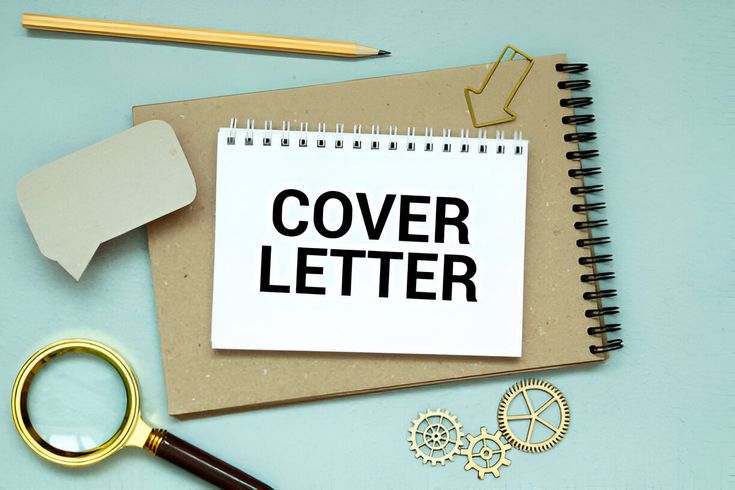
A cover letter is one of the most important documents in any job application. While your CV highlights your qualifications, skills, and experience, your cover letter allows you to introduce yourself to employers, explain your interest in the position, and demonstrate why you are the best candidate for the role.
Unfortunately, many job seekers spend hours perfecting their CVs but pay little attention to their cover letters. As a result, they submit poorly written cover letters that reduce their chances of getting interviews, regardless of how impressive their qualifications may be.
Recruiters often receive hundreds of applications for a single vacancy. A strong cover letter can help you stand out, while a poorly written one can quickly land your application in the rejection pile.
Whether you are a fresh graduate, an NYSC member, an experienced professional, or someone applying for remote jobs, understanding common cover letter mistakes can significantly improve your success rate.
This comprehensive guide explores the most common cover letter mistakes job seekers make and provides practical tips to help you avoid them.
Why a Cover Letter Matters
Many applicants underestimate the importance of a cover letter.
–A well-written cover letter can:
✍️Create a positive first impression
✍️Demonstrate professionalism
✍️Showcase communication skills
✍️Highlight relevant achievements
✍️Explain career transitions
✍️Show genuine interest in the role
When written correctly, a cover letter can convince recruiters to review your CV more carefully.
Understanding the Purpose of a Cover Letter
Before discussing mistakes, it is important to understand what a cover letter should accomplish.
–A cover letter should:
📥Introduce you to the employer
Explain why you are interested in the role
📥Highlight relevant qualifications
Connect your skills to the employer’s needs
📥Encourage the employer to invite you for an interview
It should complement your CV rather than repeat it word for word.
1. Using a Generic Cover Letter for Every Application
One of the biggest mistakes job seekers make is sending the same cover letter to multiple employers.
Recruiters can easily identify generic applications.
–A cover letter that begins with:
“I am writing to apply for any available position in your organization”
immediately signals a lack of effort.
–Why This Is a Problem
Employers want candidates who are genuinely interested in their specific role.
Generic letters often fail to demonstrate this interest.
–How to Avoid It
Customize every cover letter.
Mention:
👉The company name
👉The position title
👉Relevant qualifications
👉Specific reasons for applying
👉Tailoring your application significantly improves its effectiveness.
2. Addressing the Wrong Person or Company
Another common mistake is sending a cover letter addressed to the wrong organization.
This often happens when applicants copy and paste previous letters without updating details.
Example
Applying to Company B while the letter still mentions Company A.
–Why It Hurts Your Application
It suggests carelessness and lack of attention to detail.
–Solution
Always review:
👉Company name
👉Hiring manager’s name
👉Job title
👉Contact details
before submitting any application.
3. Failing to Research the Company
Many applicants write cover letters without learning anything about the employer.
–Why Research Matters
Research helps you:
📍Understand company values
📍Identify company goals
📍Align your skills with employer needs
–How to Avoid This Mistake
Visit the company’s:
👉Website
👉LinkedIn page
👉Social media profiles
Use this information to personalize your letter.
4. Starting With Weak Opening Statements
The first few lines determine whether recruiters continue reading.
-Weak openings include:
“My name is John.”
or
“I saw your advert online.”
These openings fail to capture attention.
–Better Alternative
Start by expressing enthusiasm and highlighting relevant qualifications.
For example:
“I am excited to apply for the Digital Marketing Specialist position. With experience in SEO, social media management, and content marketing, I believe I can contribute meaningfully to your team.”
This immediately establishes relevance.
5. Repeating Your CV Word for Word
A cover letter should not simply restate everything already included in your CV.
–Why This Is a Problem
Recruiters already have access to your CV.
Repeating the same information wastes valuable space.
–Better Approach
Use the cover letter to explain:
👉Key achievements
👉Career motivations
👉Unique strengths
👉Relevant experiences
Expand on important points rather than duplicating them.
6. Focusing Too Much on Yourself
Many applicants spend the entire letter discussing what they want.
–Examples include:
“I need a job.”
“I want to gain experience.”
“I need financial stability.”
–Why This Is a Mistake
Employers care more about what you can contribute.
–Better Approach
Focus on:
👉How your skills solve problems
👉How you can add value
👉How you can support organizational goals
Shift the focus from yourself to the employer’s needs.
7. Writing Long and Unnecessary Introductions
Some cover letters contain lengthy introductions before addressing the actual role.
–Problem
Recruiters often spend only a short time reviewing applications.
Long introductions may cause them to lose interest.
–Solution
Get to the point quickly.
Introduce yourself, mention the role, and explain why you are qualified.
8. Making Grammar and Spelling Errors
Grammar mistakes can damage your credibility.
–Common errors include:
👉Incorrect punctuation
👉Misspelled words
👉Poor sentence structure
–Why It Matters
Employers often associate writing quality with professionalism.
–How to Avoid It
Before submitting:
📍Proofread carefully
📍Use grammar-checking tools
📍Read the letter aloud
Even small mistakes can create negative impressions.
9. Using Unprofessional Language
A cover letter is a professional document.
–Avoid casual phrases such as:
“What’s up?”
“Hey there”
“I desperately need this job”
–Better Option
Maintain a professional and respectful tone throughout the letter.
Professional communication demonstrates maturity.
10. Writing Excessively Long Cover Letters
Some applicants write cover letters that are several pages long.
–Why This Is a Problem
👉Recruiters are busy.
👉Long letters may not be read completely.
–Recommended Length
A strong cover letter is usually between 250 and 400 words.
Focus on quality rather than quantity.
11. Providing Irrelevant Information
Many applicants include details unrelated to the position.
–Examples:
👉Personal family history
👉Childhood stories
👉Unrelated hobbies
–Why This Hurts
Irrelevant information distracts from your qualifications.
–Better Approach
Include only information that strengthens your application.
12. Failing to Highlight Achievements
Some candidates simply list responsibilities.
–Example
“I managed social media accounts.”
This statement lacks impact.
–Better Example
“I managed social media accounts that increased audience engagement by 40% within six months.”
Achievements provide evidence of capability.
13. Not Demonstrating Value
Employers want to know how you can contribute.
–Weak Statement
“I am hardworking.”
–Strong Statement
“My experience managing social media campaigns helped increase website traffic and improve customer engagement.”
Specific examples are more persuasive.
14. Ignoring Keywords From the Job Description
Many employers use Applicant Tracking Systems (ATS).
These systems scan applications for relevant keywords.
–Why This Matters
Applications lacking important keywords may be filtered out.
–Solution
Carefully review the job description and naturally incorporate relevant terms.
Examples include:
👉Customer service
👉Project management
👉SEO
👉Data analysis
👉Team leadership
15. Using an Unprofessional Email Address
Your email address appears in your cover letter and application.
–Poor Examples
partyboy123@email.com
moneymaker007@email.com
–Better Examples
johnsmith@email.com
john.oluwasegun@email.com
Professional contact information creates a stronger impression.
16. Failing to Explain Employment Gaps
Some applicants have gaps in their employment history.
Ignoring these gaps can create concerns.
–Better Approach
Briefly explain:
👉Further education
👉Certifications
👉Freelancing
👉Volunteering
Transparency builds trust.
17. Not Showing Enthusiasm
A cover letter should demonstrate genuine interest.
–Weak Example
“I am applying because I need employment.”
–Better Example
“I am excited about the opportunity to contribute to an innovative organization known for excellence.”
Employers appreciate enthusiasm.
18. Forgetting a Call to Action
Some cover letters end abruptly.
–Weak Ending
“Thank you.”
–Better Ending
“I would welcome the opportunity to discuss how my skills and experience can contribute to your team. Thank you for your consideration, and I look forward to hearing from you.”
This encourages further communication.
19. Submitting Without Reviewing
Rushing applications often leads to mistakes.
–Common Issues
👉Wrong company name
👉Incorrect dates
👉Missing attachments
👉Formatting errors
–Solution
Review everything before clicking submit.
20. Poor Formatting
Presentation matters.
–Common Formatting Problems
👉Tiny fonts
👉Large blocks of text
👉Inconsistent spacing
–Best Practices
Use:
📍Professional fonts
📍Clear spacing
📍Short paragraphs
📍Proper alignment
A clean format improves readability.
21. Copying Cover Letter Templates Exactly
Templates can be useful, but copying them word for word is risky.
–Why?
Recruiters see the same templates repeatedly.
–Better Approach
Use templates as guides while personalizing your content.
Authenticity makes your application stronger.
22. Applying Without Matching Your Skills
Some applicants apply for positions without meeting basic requirements.
–Problem
This often results in automatic rejection.
–Solution
Focus on positions where your qualifications align with employer expectations.
Strategic applications are more effective than random applications.
How to Write a Strong Cover Letter
A strong cover letter generally follows this structure:
✅️Opening Paragraph
Introduce yourself and mention the role.
✅️Middle Paragraphs
Explain:
👉Relevant skills
👉Key achievements
👉How you can help the company
✅️Closing Paragraph
Express appreciation and request an interview opportunity.
This structure keeps the letter focused and effective.
Benefits of Avoiding These Mistakes
Improving your cover letter can:
📥Increase interview invitations
📥Strengthen professional image
📥Improve application quality
📥Boost employer confidence
Small improvements often produce significant results.
Frequently Asked Questions
🕹Is a cover letter always necessary?
Not always, but including one can strengthen your application when allowed.
🕹How long should a cover letter be?
Ideally between 250 and 400 words.
🕹Should fresh graduates use cover letters?
Yes. Cover letters help fresh graduates explain their skills and potential.
🕹Can I use AI to write cover letters?
AI can help with drafting, but personalization remains essential.
🕹Should every application have a unique cover letter?
Yes. Tailored cover letters generally perform better than generic ones.
Conclusion
A cover letter remains one of the most powerful tools in any job application. While many candidates focus entirely on their CVs, recruiters often use cover letters to evaluate professionalism, communication skills, attention to detail, and genuine interest in a role.
Avoiding common mistakes such as using generic templates, submitting poorly written content, ignoring company research, repeating your CV, and failing to demonstrate value can dramatically improve your chances of success.
The most effective cover letters are concise, personalized, professional, and focused on how you can help the employer achieve their goals. By taking the time to customize each application and avoid these common errors, you can stand out from competing applicants and increase your chances of securing interviews and job offers.
Related posts:
BIC Nigeria Recruitment 2026: Area Sales Representatives and Supervisors Wanted Across Multiple Stat…
Ardova Plc is Hiring in Lagos, Nigeria

Misan & Co Recruitment 2026: 5 Job Vacancies and Internships

Election Security Monitor Jobs at KDI in 6 Nigerian States – 2027 Election

Dokitami Video Editor and Content Creator Jobs 2026
Flour Mills of Nigeria Plc Recruitment 2026 – Multiple Vacancies
ECOWAS Recruitment 2026 – Multiple Positions in Nigeria

Customer Service Officer – TravelDeer Nigeria

Avonix Place Jobs with Accommodation in Lagos

Sales Representative – MSI Reproductive Choices

Front Desk & Customer Care Executive – Eris Creative Studio


Leave a Reply