
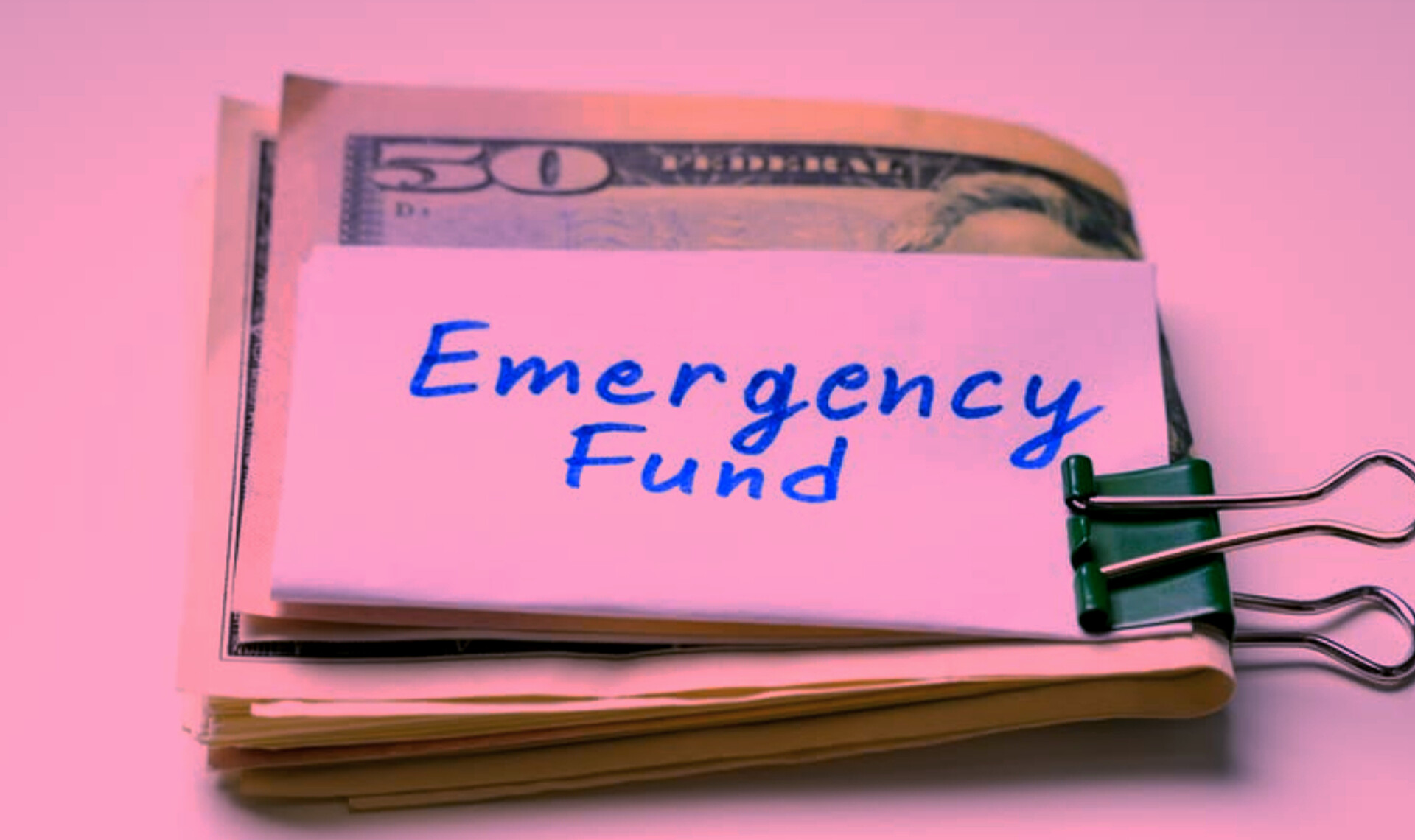
Building an emergency fund on a monthly income of ₦150,000 may seem almost impossible, especially when rent, food, transportation, electricity, data, family responsibilities, and other expenses are competing for the same money.
However, an emergency fund does not have to be built overnight. The goal is not to save a huge amount immediately. The goal is to create a financial cushion gradually so that an unexpected expense does not completely disrupt your finances.
An emergency fund can help you handle situations such as an urgent medical bill, sudden loss of income, necessary repairs, or an unexpected trip without immediately borrowing money or using expensive credit.
If you earn ₦150,000 per month, you can start with a small amount and increase your savings as your income improves.
The key is to make the process realistic.
What Is an Emergency Fund?
An emergency fund is money set aside specifically for unexpected and necessary expenses.
It is different from money you save for planned expenses.
For example, saving ₦100,000 for a new phone is not an emergency fund. Saving money for your annual rent is also a planned expense.
An emergency fund is designed for situations you did not reasonably expect.
Examples may include:
-Unexpected medical expenses
-Emergency transportation
-Urgent home repairs
-Necessary phone or computer repairs
-Sudden loss of income
-Unexpected family emergencies
-Essential travel caused by an emergency
The purpose is to give you some financial breathing room when something goes wrong
How Much Should You Have in an Emergency Fund?
There is no single amount that works for everyone.
A commonly recommended long-term target is between three and six months of essential living expenses. However, someone earning ₦150,000 per month does not need to wait until they have several months’ worth of expenses before starting.
Your first goal could simply be ₦20,000 or ₦50,000.
After reaching that amount, you can work toward ₦100,000, then ₦150,000, and eventually enough to cover several months of essential expenses.
For example, if your essential monthly expenses are ₦120,000, three months of essential expenses would be ₦360,000.
That may look like a large target when you earn ₦150,000, but you do not need to reach it immediately.
Think of your emergency fund as a staircase rather than one giant target.
A Simple Emergency Fund Target
You could use the following stages:
Stage 1: ₦20,000–₦50,000 starter emergency fund
Stage 2: ₦100,000 emergency fund
Stage 3: One month of essential expenses
Stage 4: Three months of essential expenses
Stage 5: Three to six months of essential expenses
The exact target should depend on your personal circumstances.
1. Start With What You Can Actually Afford
One of the biggest mistakes people make when trying to save is choosing an unrealistic amount.
If you earn ₦150,000 and decide that you must save ₦70,000 every month, you may struggle to pay your essential expenses.
After one or two months, you could become frustrated and stop saving altogether.
A smaller amount that you can consistently save is often more useful than an ambitious target that you cannot maintain.
For example, saving ₦10,000 every month gives you:
₦30,000 after three months
₦60,000 after six months
₦120,000 after one year
If you can save ₦15,000 monthly, you would have ₦180,000 after one year before considering any interest or investment returns.
The important thing is consistency.
2. Create a Simple ₦150,000 Monthly Budget
Before deciding how much to save, you need to know where your money is going.
A simple example could look like this:
Food – ₦35,000
Transportation – ₦25,000
Rent contribution – ₦25,000
Utilities and data – ₦15,000
Family/personal expenses – ₦20,000
Emergency savings – ₦10,000
Flexible spending – ₦20,000
Total – ₦150,000
This is only an example. Your actual expenses may be completely different.
Someone who lives with family may spend less on rent, while someone living independently in an expensive city may spend considerably more.
The purpose of creating a budget is to identify how much you can realistically save.
3. Use the “Pay Yourself First” Method
One simple strategy is to save immediately after receiving your salary rather than waiting until the end of the month.
For example, if you decide to save ₦10,000 every month, transfer the ₦10,000 into your emergency savings account as soon as your salary arrives.
You then plan your spending around the remaining ₦140,000.
This is often easier than keeping the entire ₦150,000 in your spending account and hoping that som
Automating the transfer, where possible, can make the process even easier.
4. Start With 5% to 10% of Your Income
If ₦150,000 is your monthly income, 5% is ₦7,500 while 10% is ₦15,000.
Saving within this range can be a reasonable starting point if your current expenses are high.
For example:
5% savings: ₦7,500 monthly
10% savings: ₦15,000 monthly
15% savings: ₦22,500 monthly
You do not necessarily have to choose one percentage permanently.
You can start at 5% and increase it when your financial situation improves.
The goal is to develop the habit first.
5. Track Your Spending for 30 Days
If you are struggling to find money to save, track every expense for one month.
Write down everything you spend money on, including small purchases.
This could include:
-Snacks-
-Soft drinks
-Data
-Transport
-Food deliveries
-Subscriptions
-Betting
-Entertainment
-Impulse purchases
-Small transfers to friends
-Unplanned shopping
Small expenses can become significant when they happen repeatedly.
For example, spending an average of ₦1,000 every day on unnecessary purchases would amount to approximately ₦30,000 over a 30-day month.
That does not mean every ₦1,000 expense is bad. The point is to understand where your money is actually going.
6. Cut Expenses Without Making Your Life Miserable
Building an emergency fund does not mean eliminating every enjoyable activity.
Extreme budgeting can be difficult to maintain.
Instead, identify expenses that provide little value compared with their cost.
For example, you might reduce:
-Unused subscriptions
-Frequent food deliveries
-Impulse purchases
-Unnecessary transportation
-Excessive entertainment spending
-Expensive data plans you do not fully use
-Frequent small purchases
If you can reduce your monthly expenses by ₦10,000, you could redirect that money toward your emergency fund.
You do not need to cut everything.
7. Increase Your Income Instead of Only Cutting Expenses
There is a limit to how much you can reduce your spending.
There is no theoretical limit to how much you can potentially increase your income.
If you earn ₦150,000 monthly and your necessary expenses already consume most of your salary, finding additional income may be more effective than making further cuts.
Depending on your skills, you could explore:
-Freelancing
-Content writing
-Graphic design
-Video editing
-Social media management
-Website development
-Online tutoring
-Digital marketing
-Photography
-Selling products
-Weekend services
-Remote work
You do not necessarily need another full-time job.
An additional ₦30,000 or ₦50,000 per month can make a meaningful difference if you deliberately direct part of it toward your emergency fund.
8. Save Windfalls Instead of Spending Everything
Sometimes you may receive money outside your regular salary.
Examples include:
-Bonuses
-Freelance payments
-Gifts
-Refunds
-Side-business profits
-Overtime payments
-Unexpected income
You do not have to save all of it.
One practical approach is to divide it.
For example, if you receive an unexpected ₦50,000, you could save ₦30,000 and use the remaining ₦20,000 for other priorities.
This can help you build your emergency fund faster without making your normal monthly budget too restrictive.
9. Keep Your Emergency Fund Separate
Your emergency savings should ideally be separate from the account you use for everyday spending.
If your emergency money sits alongside your spending money, you may be tempted to use it for ordinary purchases.
Consider using a separate savings account or another suitable low-risk savings arrangement that gives you reasonable access when an actual emergency occurs.
The important thing is that you understand the terms, fees, withdrawal conditions, and risks before using any financial product.
9. Do Not Invest Your Emergency Fund Aggressively
An emergency fund has a different purpose from long-term investments.
When you invest for the long term, you may be willing to accept price fluctuations because you do not expect to need the money immediately.
Emergency money is different.
You may need it unexpectedly.
For that reason, the priority should generally be accessibility and preservation of your money, rather than chasing the highest possible return.
Avoid putting money you may need for an emergency into highly volatile assets simply because someone promises high returns.
An emergency fund is there to protect you, not to make you rich.
10. Give Every Part of Your Salary a Job
One reason people struggle to save is that their money has no clear plan.
Before receiving your salary, decide what your money will do.
For example:
₦150,000 income
₦10,000 — emergency savings
₦35,000 — food
₦25,000 — transportation
₦25,000 — rent savings
₦15,000 — utilities and communication
₦20,000 — family/personal responsibilities
₦20,000 — flexible expenses
Again, these numbers are only examples.
Your own budget should reflect your actual responsibilities.
The important thing is to assign money to priorities before unnecessary spending consumes it.
11. Build an Emergency Fund Before Taking Unnecessary Debt
An emergency fund can reduce your dependence on borrowing when something unexpected happens.
Imagine your phone suddenly stops working and you need it for work. If you have ₦50,000 saved specifically for emergencies, you may be able to handle the repair without borrowing.
Without savings, you might have to borrow from friends, family, or a lender.
Debt is not always bad, but borrowing for every unexpected expense can make financial problems more difficult to manage.
A small emergency fund gives you an alternative.
What If You Have Debt?
If you already have debt, you do not necessarily have to choose between saving and debt repayment completely.
A small starter emergency fund can provide some protection against unexpected expenses while you work on reducing expensive debt.
For example, you might first build a small ₦20,000–₦50,000 emergency buffer and then focus more aggressively on high-cost debt.
The right approach depends on the type of debt, interest rate, repayment terms, and your overall financial situation.
If the debt has very high costs, prioritizing it may make sense after establishing a basic emergency cushion.
What Counts as a Real Emergency?
This question is important because your emergency fund can disappear quickly if you use it for ordinary spending.
A genuine emergency is generally an unexpected expense that is necessary and cannot reasonably wait.
Examples could include:
-Urgent medical treatment
-Emergency transportation
-Essential home repairs
-Necessary work equipment repair
-Sudden loss of income
-Urgent family circumstances
Buying a new smartphone because a newer model has been released is not normally an emergency.
Neither is paying for an expensive holiday because you suddenly found a discounted travel package.
Having clear rules makes it easier to protect your savings.
Rebuild Your Emergency Fund After Using It
An emergency fund is not a one-time project.
If you use ₦40,000 from your savings to handle a genuine emergency, do not consider your financial plan a failure.
That is exactly what the money was there for.
Once the situation is resolved, return to your normal savings plan and rebuild the amount.
For example, if your emergency fund falls from ₦100,000 to ₦60,000, your next goal is simply to restore the missing ₦40,000.
How Long Will It Take to Build Your Fund?
The answer depends on how much you save each month.
Suppose your initial goal is ₦150,000.
At ₦5,000 per month, it would take 30 months.
At ₦10,000 per month, it would take 15 months.
At ₦15,000 per month, it would take 10 months.
At ₦20,000 per month, it would take 7.5 months.
These calculations show why increasing your savings rate when your income increases can be powerful.
If you receive a salary increase from ₦150,000 to ₦200,000, you do not have to immediately increase your lifestyle by ₦50,000.
You could direct part of the increase toward your emergency fund.
What If ₦150,000 Is Barely Enough?
If your income is barely covering your essential expenses, do not feel pressured to save an unrealistic amount.
Even ₦1,000 or ₦2,000 saved consistently can begin the habit.
At the same time, focus on improving your income.
Look for opportunities to acquire skills that can increase your earning potential, negotiate better compensation when appropriate, or develop a legitimate side income.
The emergency fund is only one part of financial stability.
Increasing income, controlling debt, managing expenses, and building valuable skills all matter.
A Simple 12-Month Emergency Fund Plan
Here is an example for someone starting with no emergency savings.
Months 1–3, Save ₦10,000 each month.
By the end of three months: ₦30,000 saved
Months 4–6, Continue saving ₦10,000 monthly.
By the end of six months: ₦60,000 saved
Months 7–9, Continue the same habit.
By the end of nine months: ₦90,000 saved
Months 10–12, Continue saving ₦10,000 monthly.
By the end of one year: ₦120,000 saved
If you receive additional income during the year and save part of it, you could reach your target sooner.
The biggest advantage of this approach is that it does not require you to completely change your lifestyle overnight.
Final Thoughts
Building an emergency fund while earning ₦150,000 per month can be challenging, but it is possible when the goal is broken into manageable steps.
You do not need to start with hundreds of thousands of naira. Start with what you can realistically afford, whether that is ₦5,000, ₦10,000, or another amount that fits your budget.
Create a simple spending plan, save immediately when you receive your income, track your expenses, reduce unnecessary spending, and look for legitimate ways to increase your income.
Most importantly, do not become discouraged if your progress is slow.
Saving ₦10,000 every month may not feel impressive at first, but after a year, you could have ₦120,000 that you would not have had otherwise.
The purpose of an emergency fund is not to show how much money you have. It is to give you options when something unexpected happens.
Start small, stay consistent, and increase your target as your financial situation improves.
Frequently Asked Questions
1. How much should I save from a ₦150,000 salary?
There is no universal amount. If your expenses allow it, you could begin with 5% to 10%, which is ₦7,500 to ₦15,000 per month. The most important thing is choosing an amount you can maintain consistently.
2. How can I save money when ₦150,000 is not enough?
Start with a small amount and focus on both reducing unnecessary expenses and increasing your income. Even a small emergency fund is better than having no financial cushion.
3. Where should I keep my emergency fund?
Keep it somewhere relatively safe and accessible, while considering the applicable fees, withdrawal conditions, and risks. An emergency fund generally should not be placed in highly volatile investments simply to pursue higher returns.
4. Should I invest my emergency fund?
An emergency fund and an investment portfolio serve different purposes. Emergency savings should prioritize accessibility and preservation of capital rather than aggressive growth.
5. What can I use my emergency fund for?
Use it for unexpected and necessary expenses, such as urgent medical costs, essential repairs, emergency transportation, or sudden loss of income. Avoid using it for planned purchases and ordinary lifestyle expenses.
6. How much should my emergency fund eventually be?
A common long-term target is three to six months of essential living expenses. However, you can begin with smaller milestones such as ₦20,000, ₦50,000, ₦100,000, and one month of essential expenses.
Related posts:

Multiple Job Vacancies in Nigeria 2026: Available Positions and Application Details

Misan & Co Recruitment 2026: 5 Job Vacancies and Internships
Nigeria Family Strengthening and Development Programme (NFSP): Eligibility, Registration and Monthly…
Latest Job Vacancies – Multiple Positions Available

Skill Workers Needed – Factory Work

Avonix Place Jobs with Accommodation in Lagos

Customer Service Representative – Remote

Urgent Vacancies Today

Kennedia Job Vacancies – 7 Positions Available

RESTAURANT VACANCY

Urgent Local Vacancies Today


Leave a Reply